IDT Edge

Calculated right at the pad

Optimisation at the well level

IDT Edge is an industrial computer at the pad that calculates the well's operating mode and picks an action right at the equipment.

Request a demo
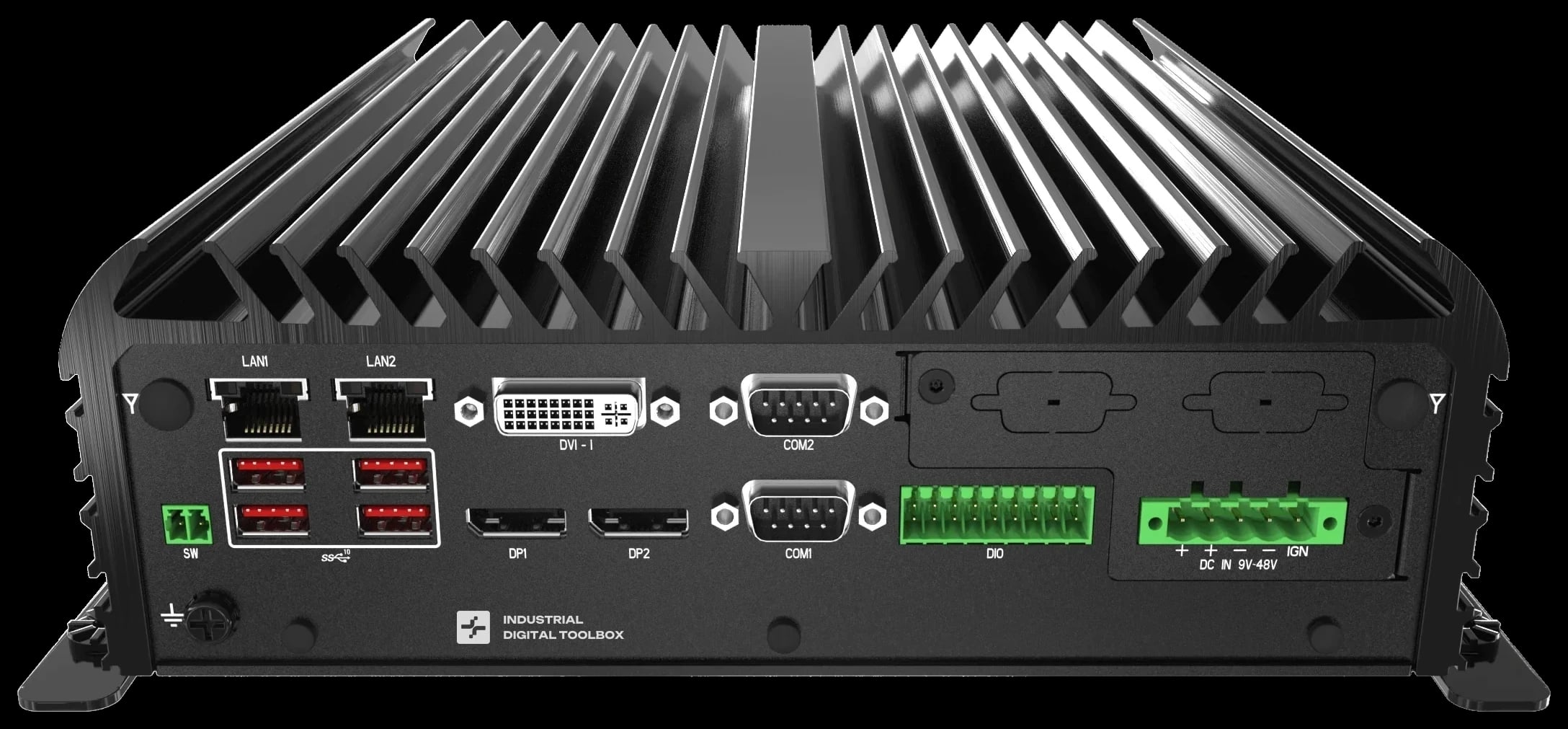
The IDT Edge industrial computer: LAN, COM and DIO ports and a 9–48 V power input
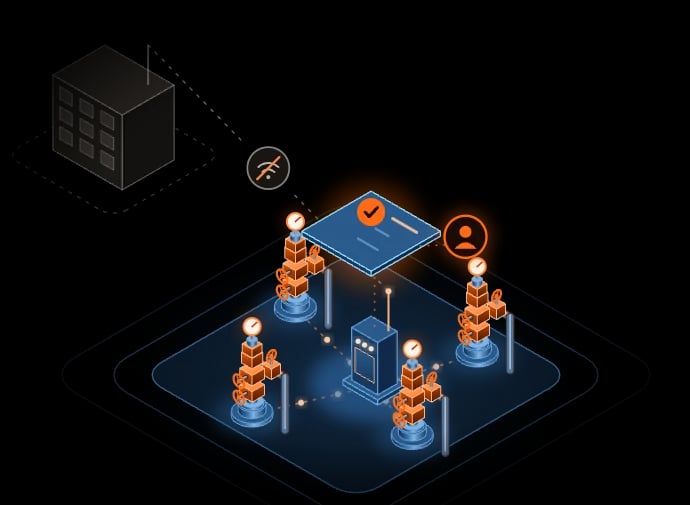
Isometric illustration: the link from the pad to the centre is down, IDT Edge calculates the well modes on site and hands the engineer a ready recommendation

Well calculations where there is no server and no stable link

A well pad has no computing capacity and an unstable link to the control centre, and one engineer looks after 100 to 300 wells, so problems are caught late. IDT Edge calculates each well's operating point right at the pad: rates between tests, problem diagnostics and ESP frequency. The calculations keep running even when the link to the control centre drops.

Your engineer gets a ready recommendation instead of a stream of raw data.

A well pad with IDT Edge

IDT Edge polls the drives, the well test unit, the chemical injection unit and the substation, estimates each well rate between tests and diagnoses the pumps.

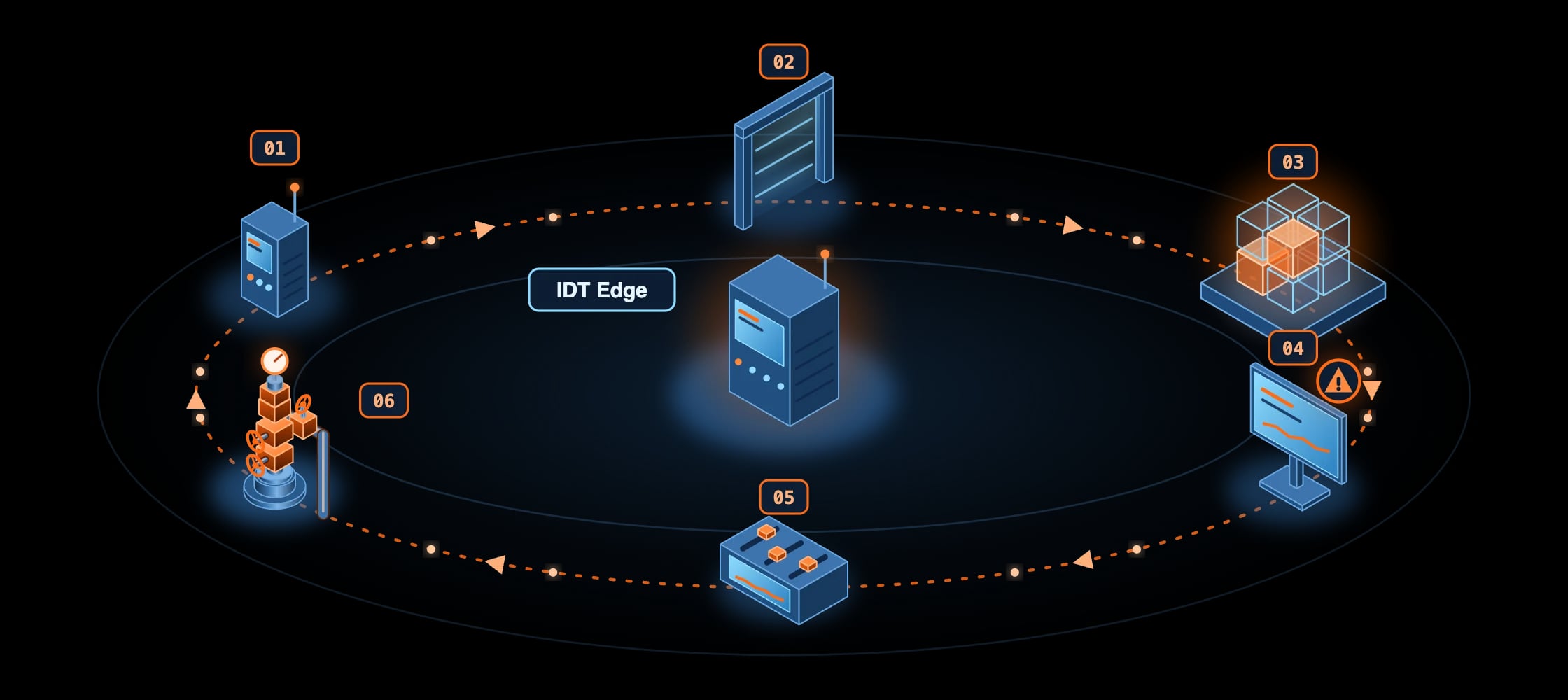
One calculation loop

  • Data

    Second-by-second data from the ESP control station, telemetry, the metering unit, and IDT Edge's own high-frequency signals.

  • Validation

    Signal cleanup, stream synchronisation and data-quality checks.

  • Digital twin

    Calculating the well's state: PVT, hydraulics, ESP and motor models, actual inflow.

  • Diagnostics

    Finding problems: pump-off, negative trends, degradation, anomalies.

  • Optimisation

    Picking an action for production and energy: frequency, run/accumulation time, energy efficiency.

  • Action

    A recommendation to the production engineer or a closed loop through the control system, with the result verified.

Isometric diagram: the six steps of the calculation loop arranged in a ring around IDT Edge: data, validation, digital twin, diagnostics, optimisation and action on the well

Test the action before it reaches the well

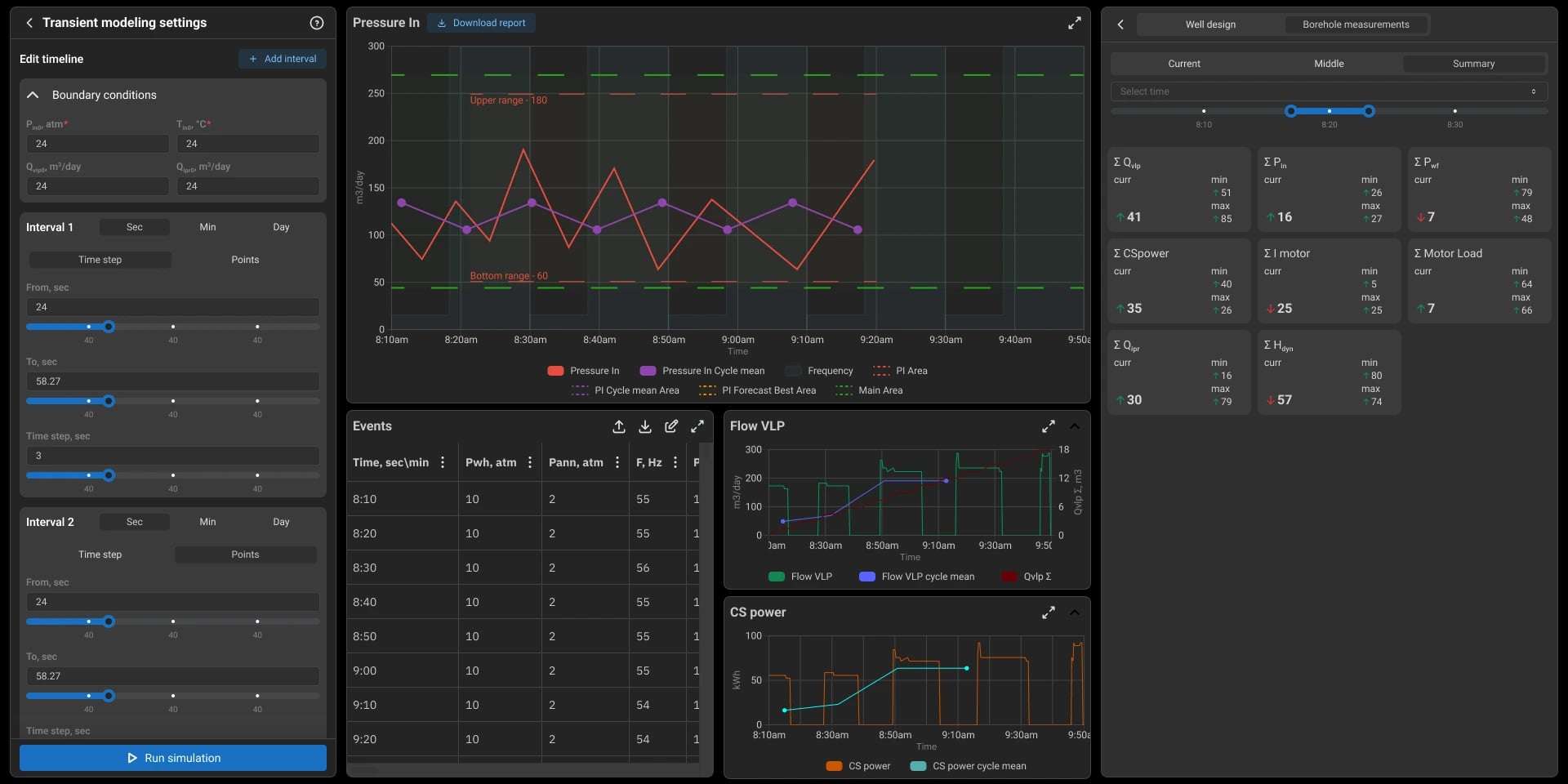
IDT Sandbox: simulation on the digital twin, without touching the real well stock

You set a scenario (mode, complications, constraints), run it forward in time and apply actions: ESP frequency, accumulation time for intermittent operation, reagent dosing. The well's response shows up straight away. A separate mode, IDT Sandbox live, lets you trigger pump-off, a rising gas factor or hydrate formation on the well at the push of a button and watch in real time how IDT Edge detects it and which action it answers with. All of it before anything is tried on real equipment.

IDT Sandbox interface: scenario, timeline and the well's response to an action
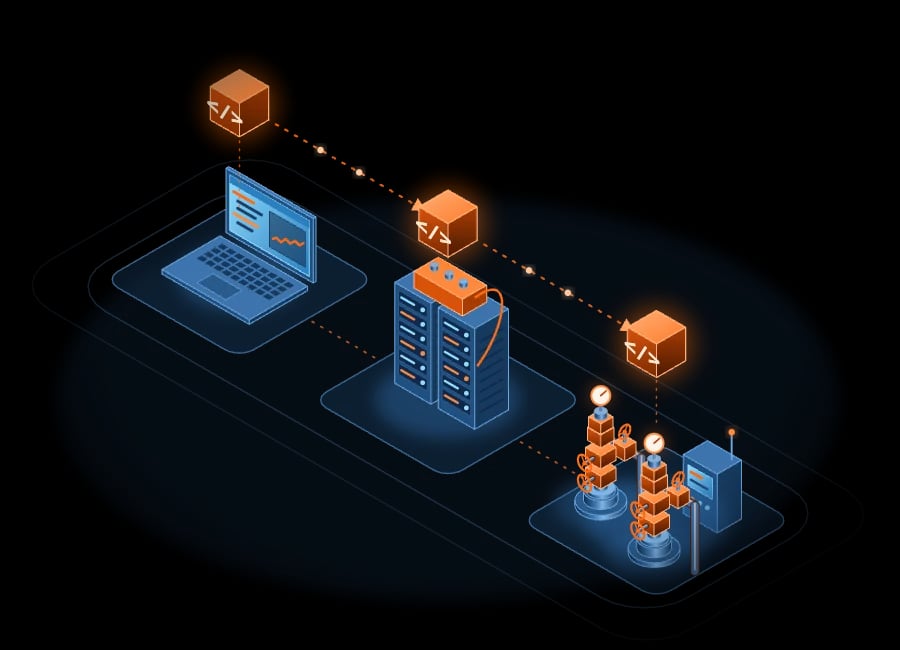
Isometric illustration: the same block of code travels from IDT Sandbox through the test bench to the controller on the well pad

An open app ecosystem

The ready-made apps cover complication diagnostics, mode optimisation and dosing. On top of them, the process engineering team can add its own control programme in the same environment, with no separate infrastructure. The same code goes from a Python prototype to the industrial controller without being rewritten: IDT Sandbox, then a test bench, then the pad.

Apps available

The core of the package is virtual metering: continuous data on liquid and gas rate. Every other app plugs in as an option.

  • Flow regime detector

    Slug, stratified and annular flow regimes.

  • Shutdown detector

    Pump-off.

  • Gas factor and water cut sensor

    The share of gas and water in the flow.

  • IDT Asset Lite

    Finding the well's potential.

  • Check valve leak detector

    Valve knocking and freezing.

  • Annulus analyser

    Calculating flow through the casing annulus.

  • Hydrate and wax detector

    Models of hydrate and wax/asphaltene formation.

  • Mode stabiliser

    Holding the target production rate.

  • Pad-wide intermittent mode optimiser

    Synchronising run cycles across wells.

  • Energy optimiser

    Cutting specific power consumption.

  • Reagent doser

    Dosing on feedback.

  • Metering-unit test planner

    Test priority and timing.

IDT Edge in the closed loop of production control

From data collection to physical control

Edge covers its own part of the cycle at the pad: it calculates the well's operating mode and picks the action on the spot. SCADA and the other products in the line cover the remaining steps: data collection, digital twins, choosing interventions and execution.

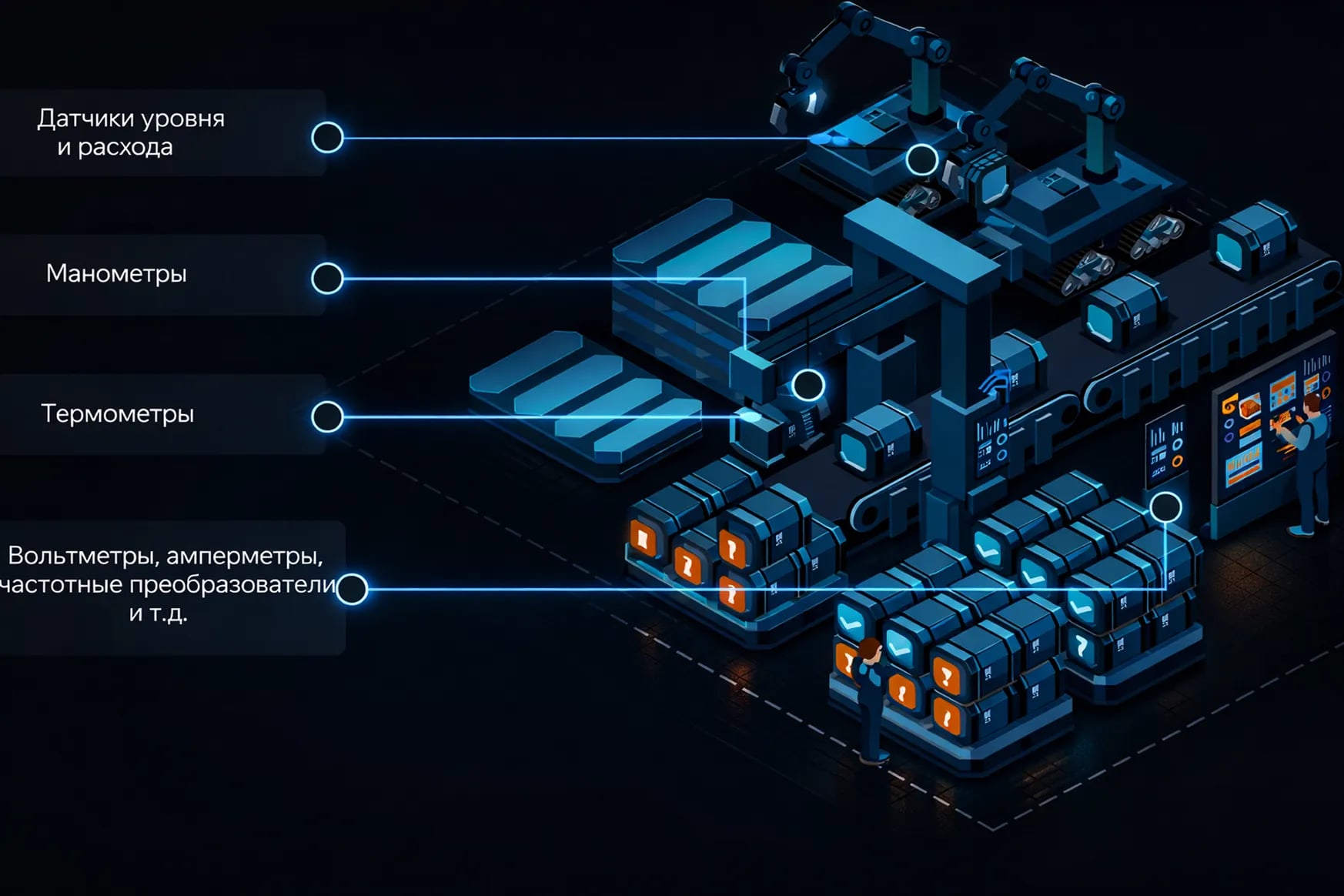
Production facility with level and flow sensors, pressure gauges, thermometers and electrical meters

SCADA. Data collection and processing

01
  • Pressure
  • Temperatures
  • Flow rates
  • Other process parameters
Sensors, panels and control equipment

IDT Edge. Real-time analytics

02
  • Pattern and predictive analysis
  • Integration with ICS and dispatch systems
  • Edge computing
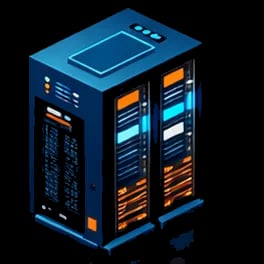
Industrial server cabinet

IDT Well and IDT Core. Building digital twins

03
  • Reproduction of real field facilities
  • Digitalization of business process elements
Laptop with a digital twin interface

IDT Assist. AI assistant

04
  • Data extraction from well test reports, production logs and scans
  • Abnormal condition detection and recommended actions with a source you can check
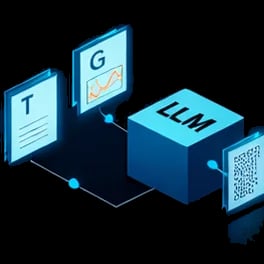
Diagram of document analysis by a language model

IDT Asset. Formation of optimization measures

05
  • Equipment operating mode
  • Facility status
  • Production schedule
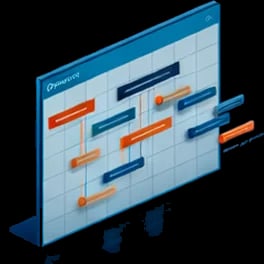
Production activity schedule

IDT Edge. Real-time control

06
  • Optimization of process equipment operation
  • Recommended actions
  • Autonomous equipment control
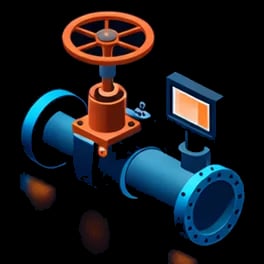
Actuated valve with a control unit

SCADA. Physical control of the system

07
  • Process control equipment
Physical process control station
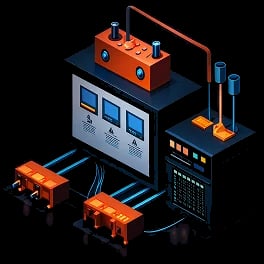
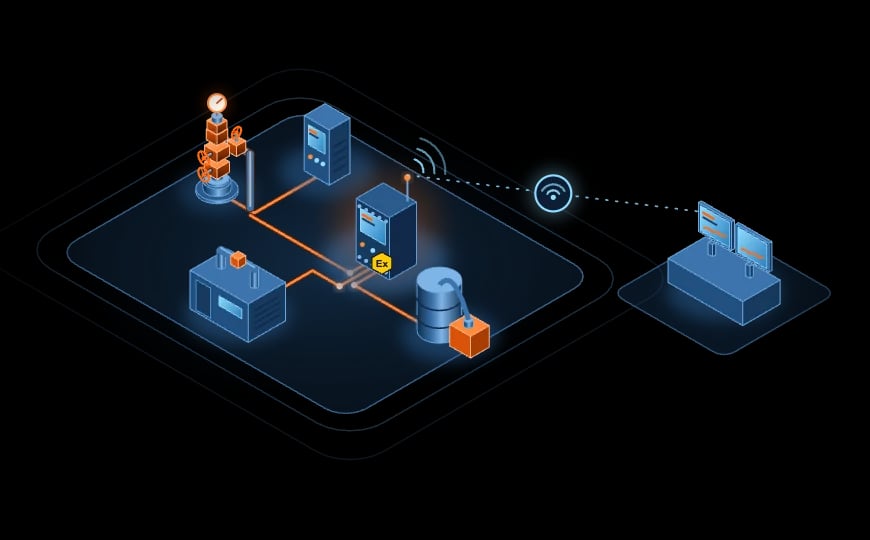
Isometric illustration: the ESP control station, the well test unit and the chemical injection unit are wired over Modbus to an explosion-proof IDT Edge cabinet, with a radio link to the PCS and SCADA control room

How it connects at the pad

The device is installed on the well pad next to the equipment, in an explosion-proof design. It collects data over wired Modbus from the ESP control station, the well test unit and the chemical injection unit, and links wirelessly to the PCS and SCADA over a radio channel. The connection method can be adapted to the customer’s requirements.

Leave your contact details and we'll reach out

We'll set up a demo on wells similar to your pad and show how IDT Edge calculates the operating point and picks an action right at the equipment.

hello@industrial-dt.com+998 88 717 55 08@oil_gas_pt